Condition and access review
Record the visible damage, construction, surrounding fittings, inside access and practical requirements for opening up or haul-out.
- Photographic record
- Access and protection plan
- Specialist or survey input where needed
 Premium YachtsSpain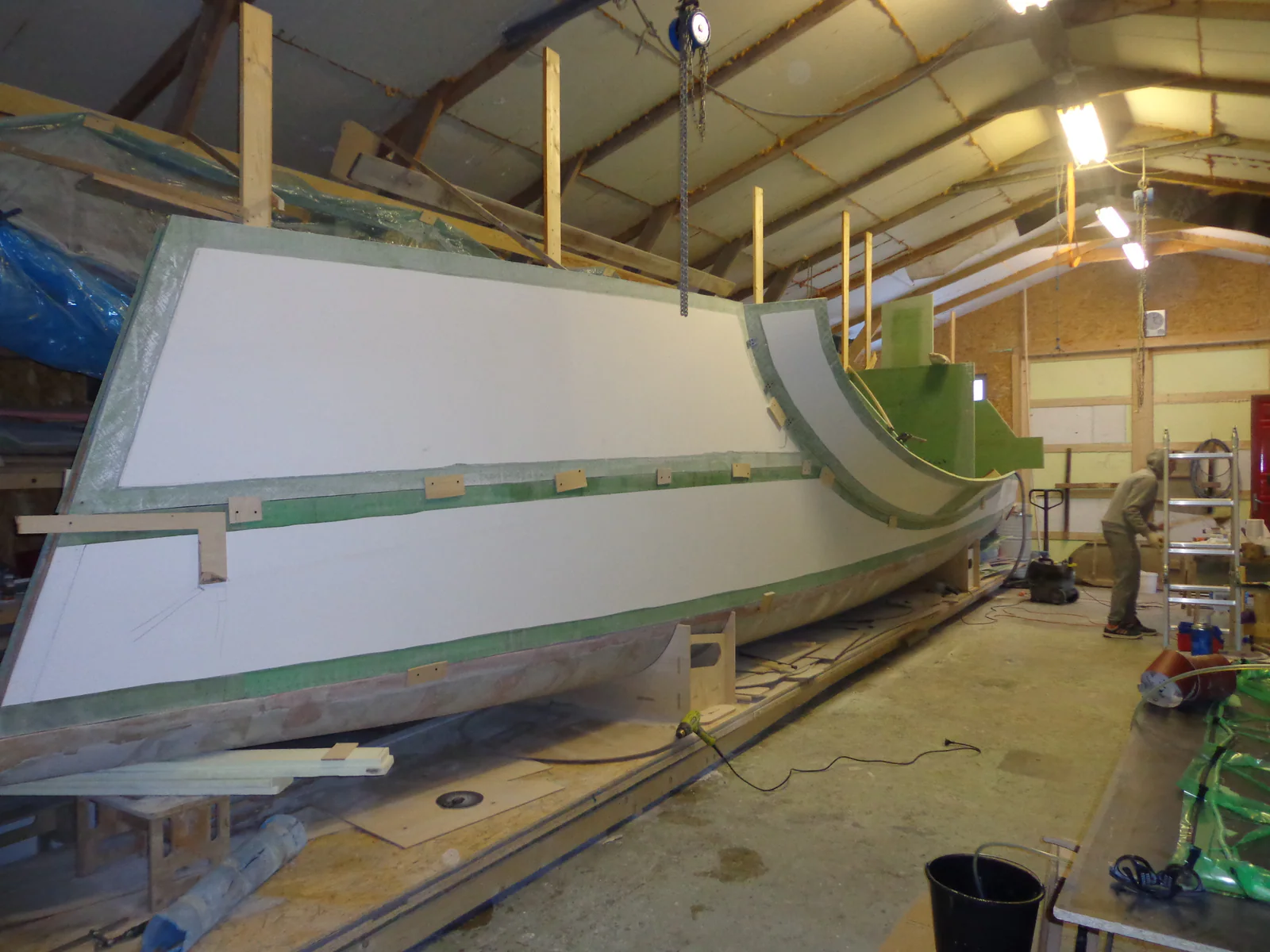
Yacht refit service
A scoped route from visible hull or composite damage to access planning, suitable repair methods, fairing, finishing and documented completion.
GRP and composite repairs are not defined by appearance alone. The visible area, laminate, backing structure, moisture, previous repairs and access all affect the method. We document what can be seen, define the practical scope and coordinate suitable repair and finishing work. Where structural judgement or testing is required, the relevant surveyor or composite specialist is identified before the method is confirmed.
Service scope
The written scope records the intended repair area, access, method assumptions, finish and exclusions. Hidden damage may change the plan only through the agreed approval process.
Record the visible damage, construction, surrounding fittings, inside access and practical requirements for opening up or haul-out.
Coordinate removal of unsound material, preparation, laminate replacement or local fabrication to an agreed method.
Plan fairing, surface preparation, gelcoat or paint finishing and the practical standard for blending with adjacent surfaces.
Review visible completion, collect progress photographs and record any remaining recommendations or limits.
Documented project evidence
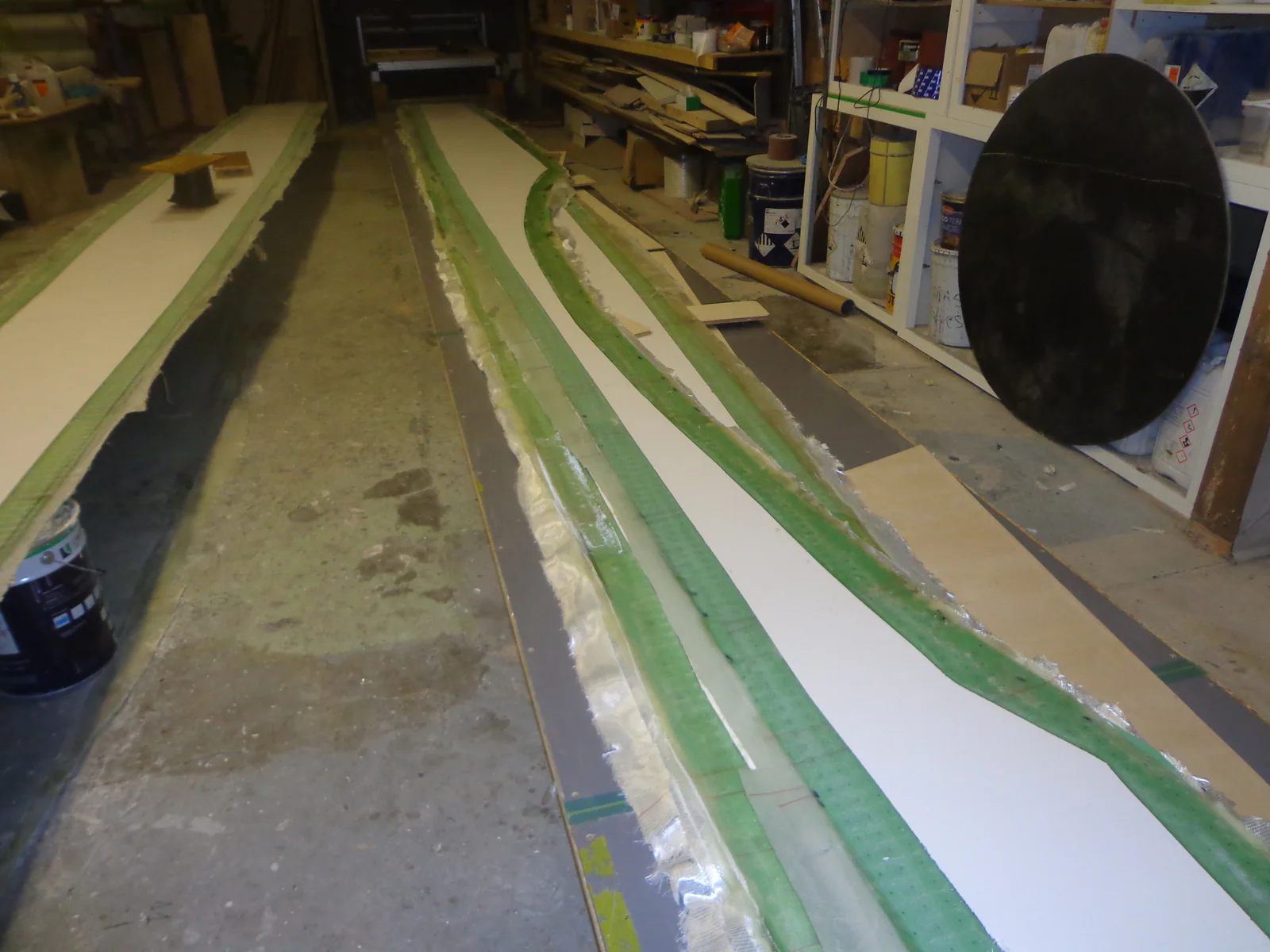
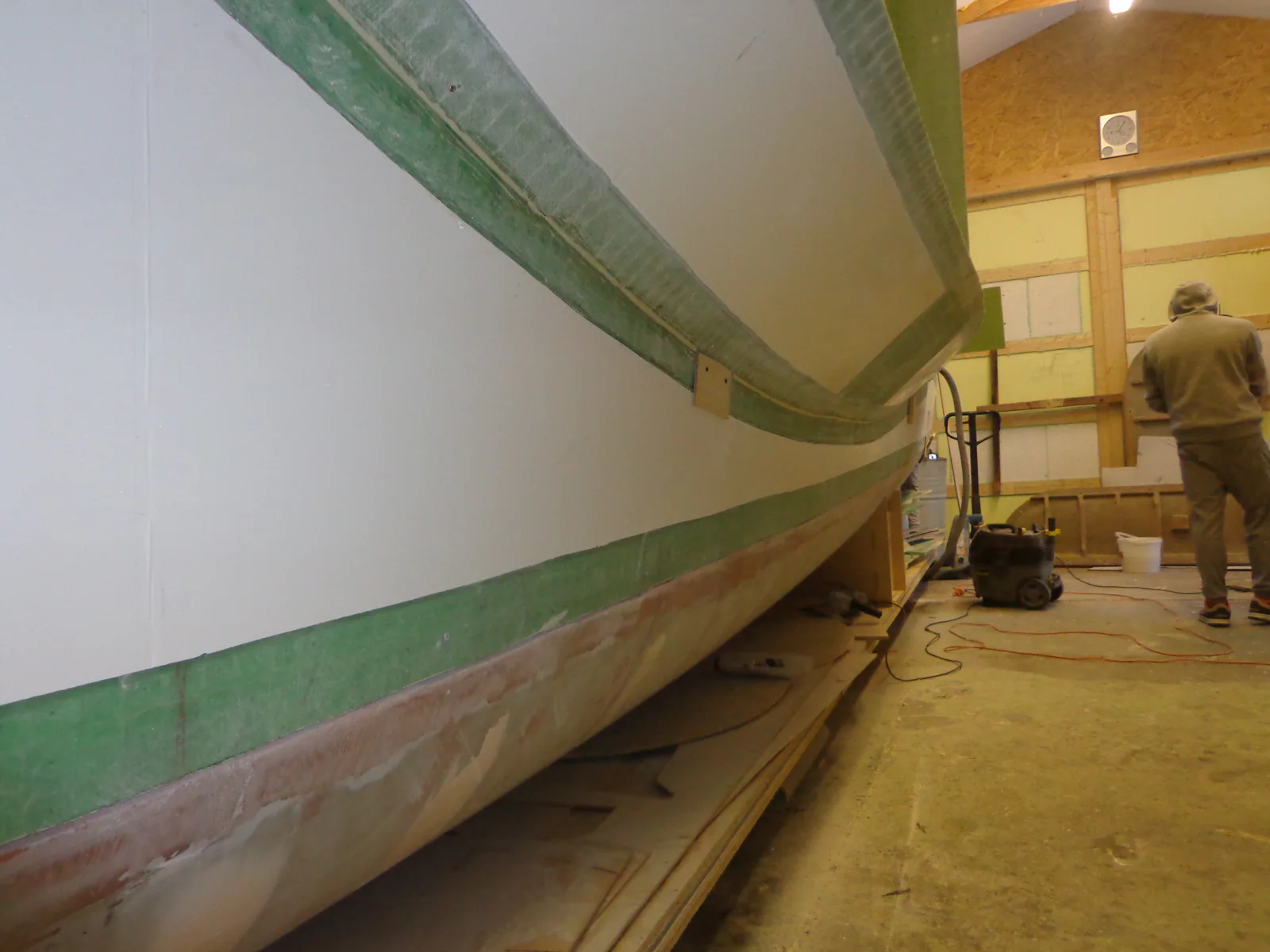
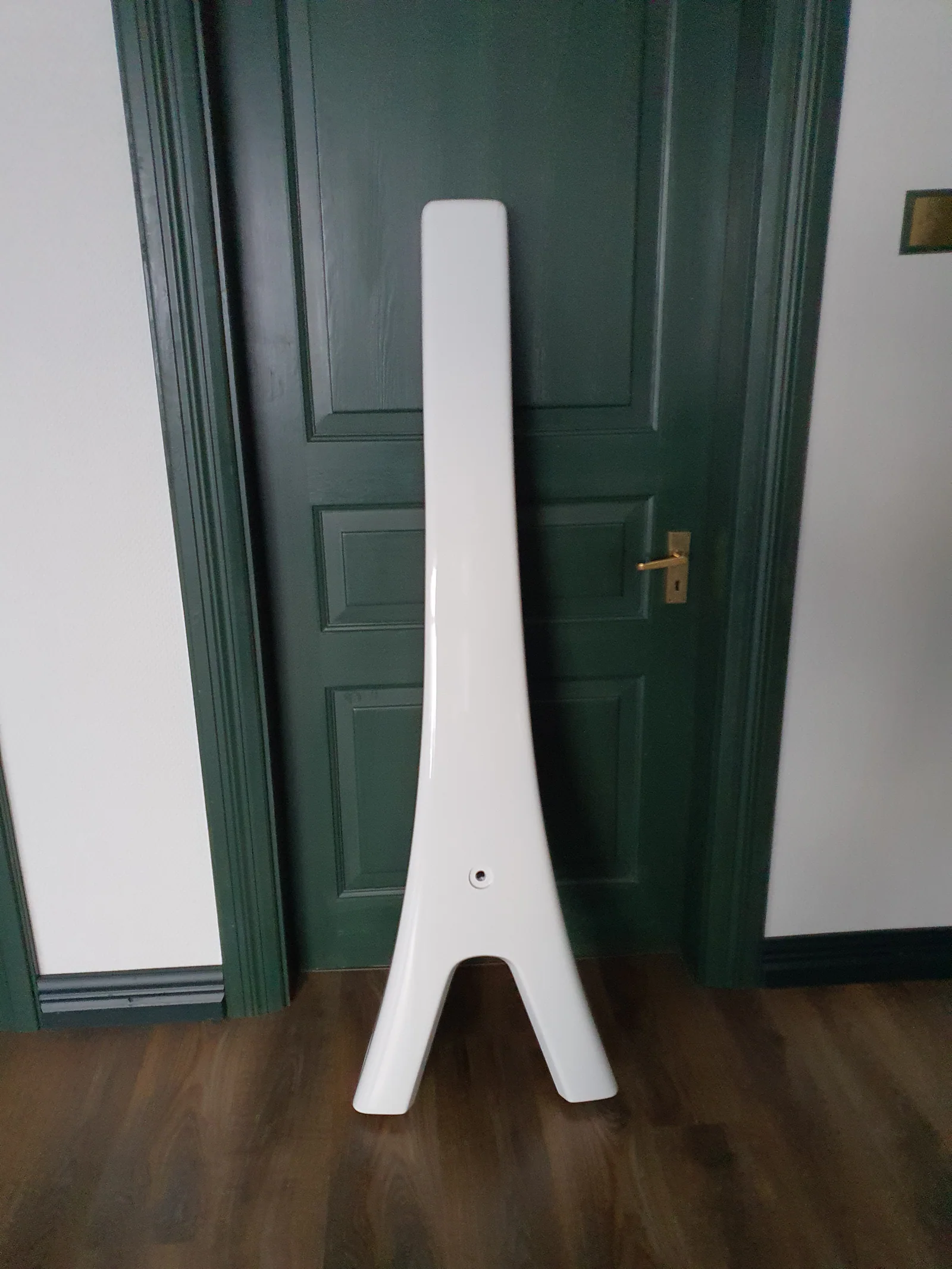
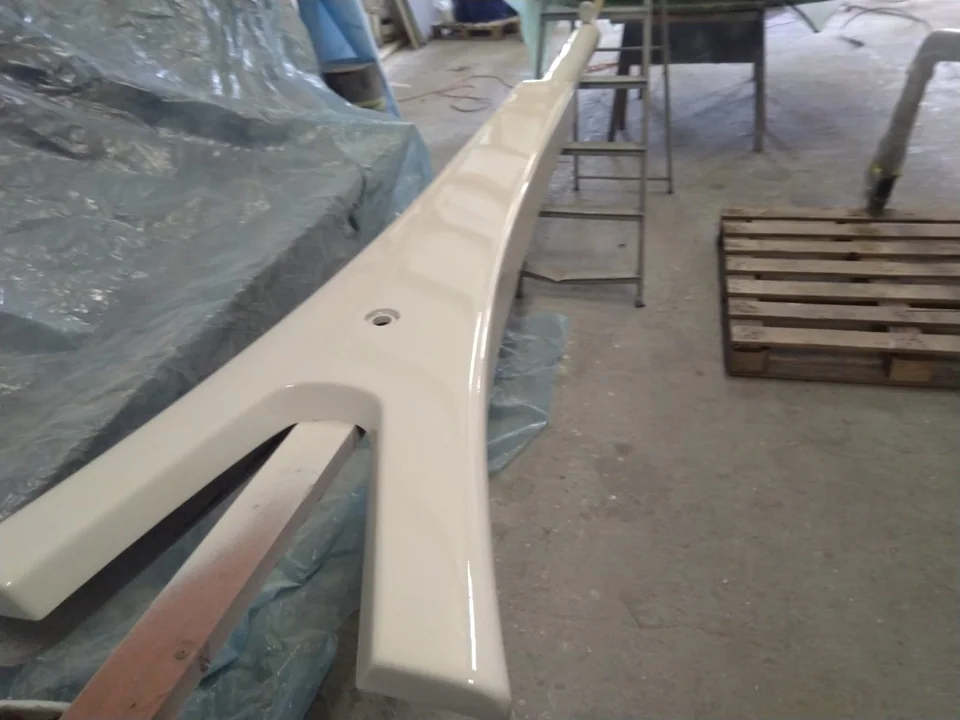
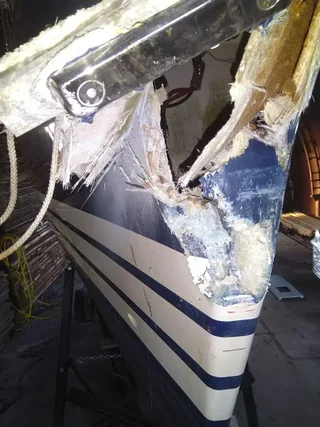
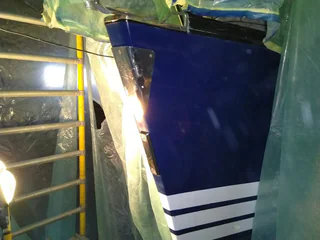
A dated sequence from one yacht records visible bow damage, preparation, fairing and finishing through to the completed surface. The photographs are historical, low-resolution work records, so they are presented at a restrained size rather than in the full-screen gallery.
Before repair
After repair
Preparation
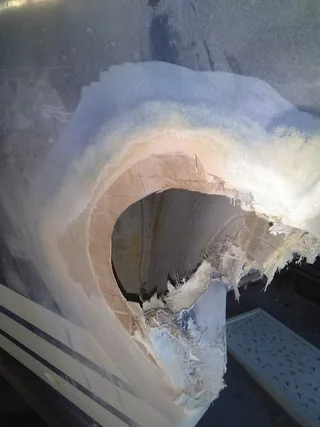
Preparation
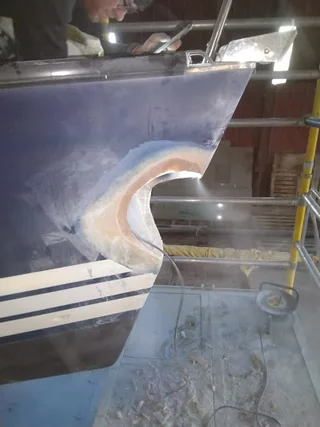
Preparation
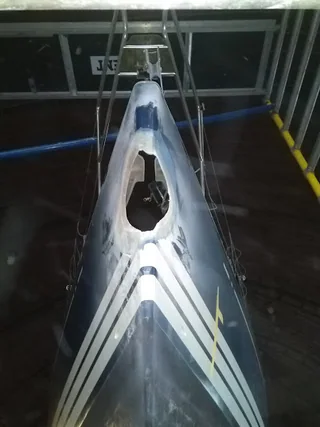
Fairing
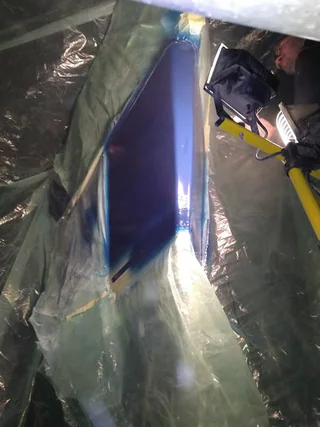
Finishing
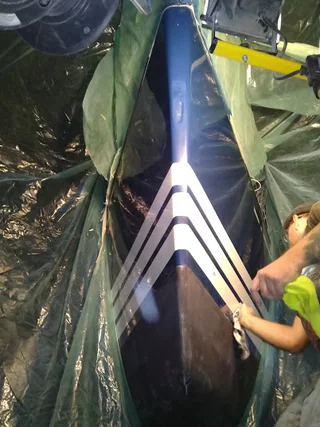
Finishing
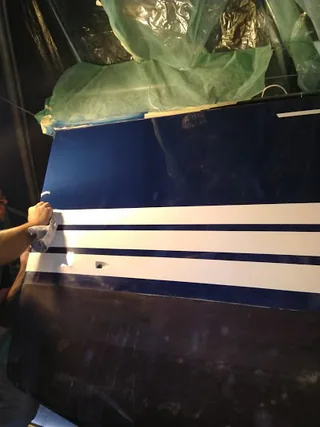
Completed
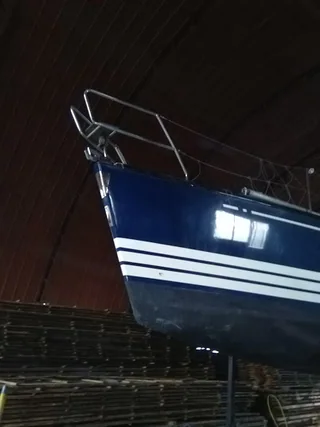
Completed
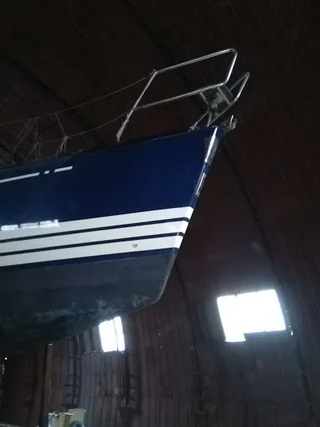
Working process
The exact method belongs in the approved repair scope, not in a generic web promise.
Project clarity
Composite damage can extend beyond the visible surface. The owner receives a clear distinction between known work, assumptions and additional findings.
Typical work
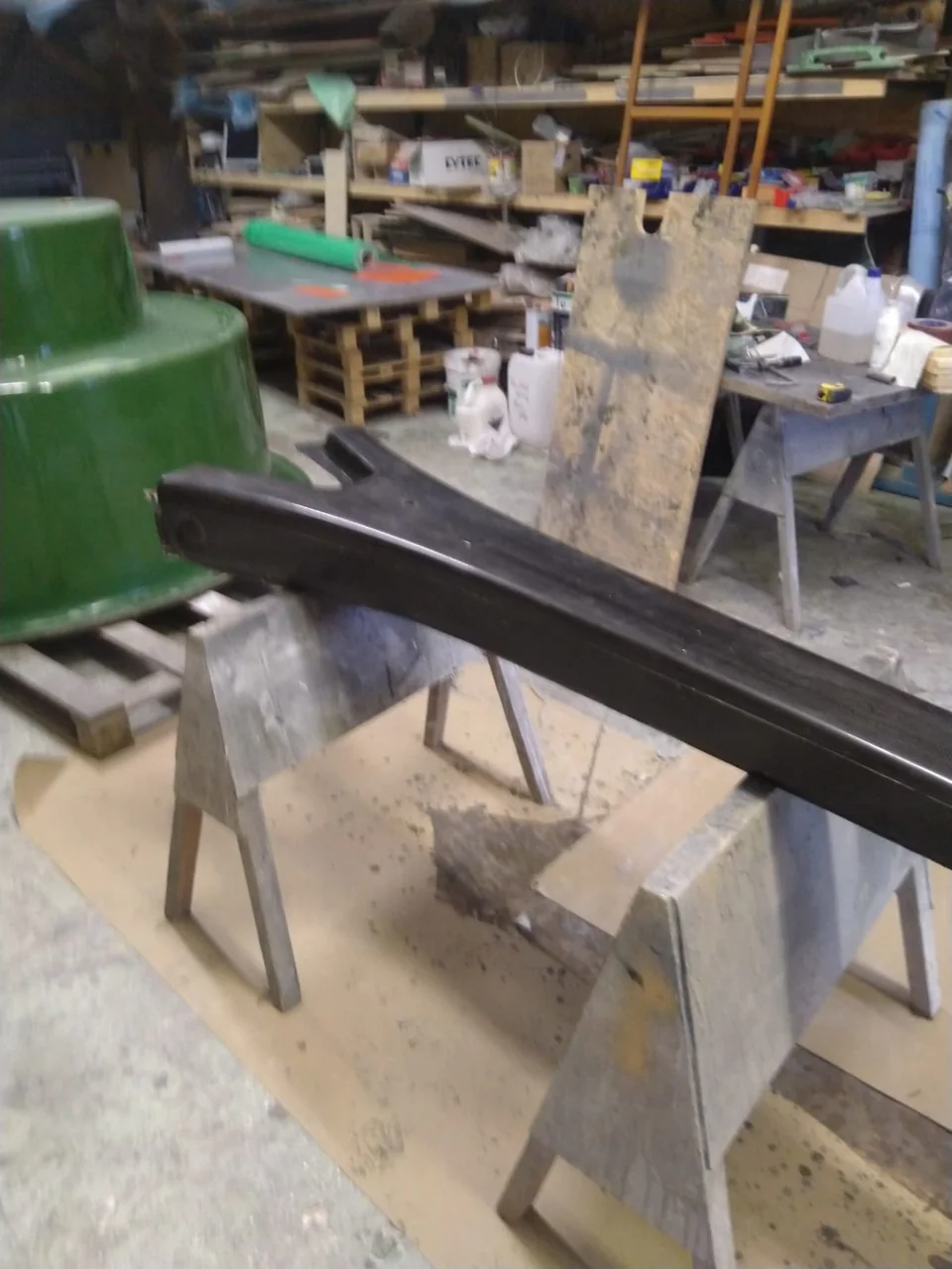
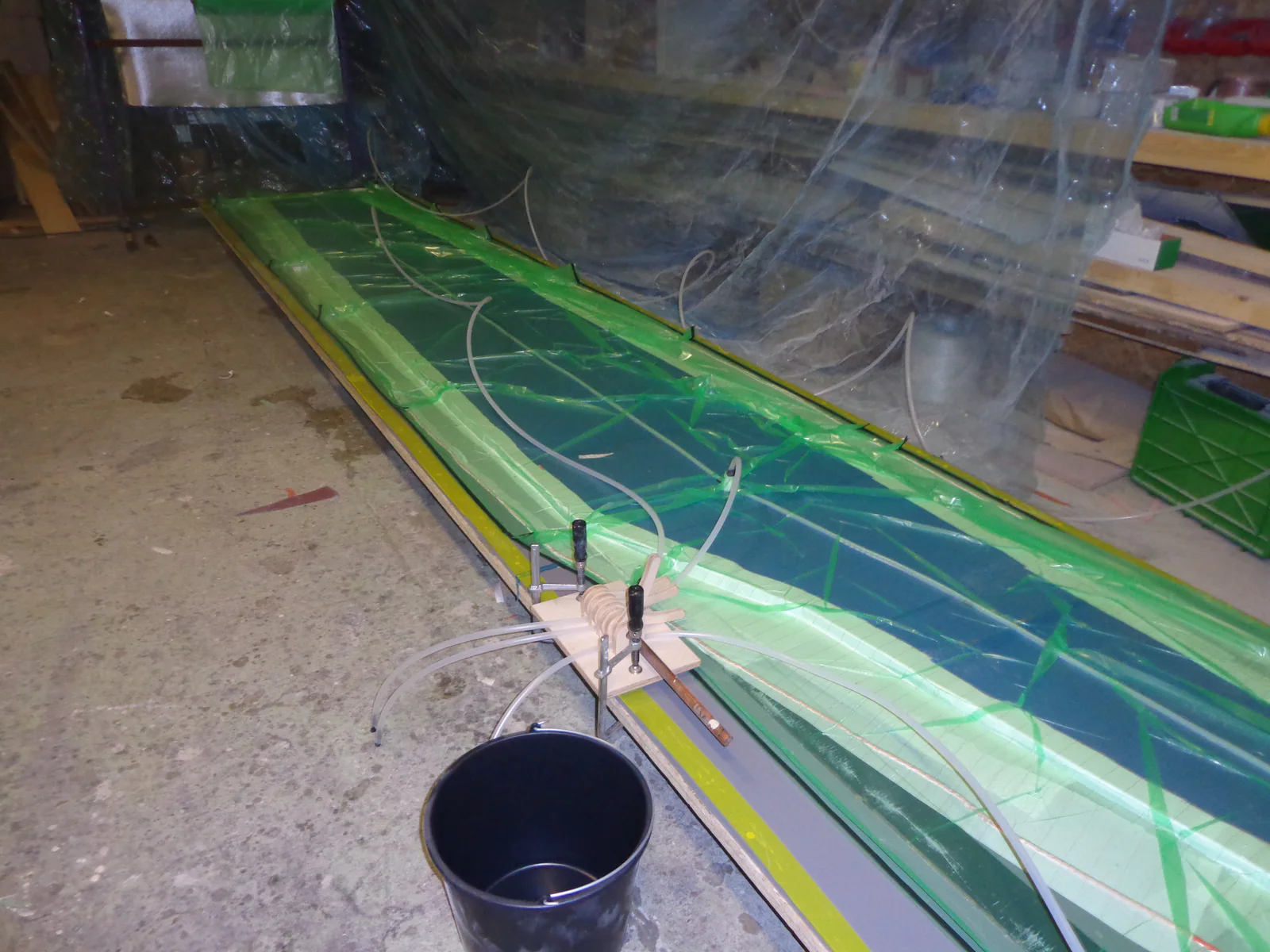
The selected images document workshop composite preparation, hull fairing and local damage repair. They do not identify a client or imply that unrelated frames form one before-and-after sequence.
Real project photography
Higher-resolution workshop and repair photographs selected for technical relevance. The dated low-resolution bow-repair sequence is presented separately above at a restrained size.
1 / 7
Local assignments are centred on Altea and the Costa Blanca, with wider Spain and Mediterranean work considered according to haul-out, specialist and attendance requirements.
The project record supports GRP and composite repair work. We review the visible damage and access first, then agree the method and any specialist or survey involvement.
No. Photographs help with initial triage but cannot establish the full extent or structural significance of concealed damage. Inspection and sometimes opening up are required.
Yes, finish reinstatement can be included with preparation, fairing, colour and system expectations defined in the scope.
That depends on location, access, safety and the repair method. Many hull and underwater repairs require haul-out and a controlled work environment.
New findings are documented and handled under the agreed owner authority. Work outside the approved scope is not treated as automatically authorised.
Progress photography and completion records can be included in the reporting scope, subject to safe access during each stage.
Start a conversation
Describe the yacht construction, location, visible damage, access, whether the yacht is afloat or ashore and any survey or incident information available.